Going Sugar-Free Changes Gummy Formulation, Stability, and Cost
- Base Bulk Is Structural: Sucrose and glucose syrup make up 65%–75% of a classic gummy's weight; removing them requires rebuilding the entire gel matrix, not swapping in 0.2% stevia.
- Heat and Moisture Change Texture: Warm storage can soften a gummy and moisture uptake can make pieces stick. One Lifeworth stress protocol holds sealed samples at 50°C for 14 days and tracks water activity (Aw) and visible sticking.
- Compare the Cost of the Base: The examples below put ingredient costs for the sugar-free bases at 1.15×–1.45× the conventional base. Ask for curing time and finished yield beside the ingredient quote.
Why "Just Cut the Sugar" Breaks a Gummy Formula
In a tablet or capsule, sweetener is a minor excipient. In a gummy, sugar is 70% of the physical skeleton.
Standard sucrose and glucose syrup provide soluble solids (Brix), lock water activity (Aw), inhibit crystallization, and mask bitter active ingredients. When a buyer asks to take an existing 3 g pectin gummy and "make it sugar-free," you are stripping out roughly 2.1 grams of structural mass per piece.
You cannot fill a 2.1-gram hole with high-intensity sweeteners like sucralose or monk fruit. You must replace the entire bulk carrier system—and every sugar-free carrier behaves differently inside the cooking kettle, the depositing nozzles, and the drying room.
| Base Matrix System | Target Cook Brix | Target Water Activity (Aw) | Serving-Size Check | Example Base BOM |
|---|---|---|---|---|
| Sucrose + Glucose Syrup | 78°–82° Brix | 0.58–0.64 | Grams of sugars per serving | 1.00x (Baseline) |
| Maltitol + Sorbitol Syrup | 76°–80° Brix | 0.55–0.62 | Grams of polyols per serving | 1.15x–1.25x |
| Allulose + Soluble Fiber | 74°–78° Brix | 0.52–0.60 | Allulose and fiber per serving | 1.30x–1.45x |
Formulation Note: These are formulation examples for comparing bases on the same brief. Confirm actual ingredient pricing, grams of each carrier per daily serving, and the method used to measure soluble solids and water activity.
How Sugar-Free Bases Behave on the Line and Inside Sea Freight Containers
Most sugar-free gummy failures never show up in an R&D kitchen. They happen three weeks later inside a 50°C ocean freight container or when gummies fuse into a solid brick inside a consumer's bottle.
- Polyol Systems (Maltitol / Xylitol / Erythritol): Maltitol mimics sucrose elasticity well but lowers the glass transition temperature. If residual moisture isn't cured to a tight Aw window, gummies sweat in humid climates and stick to bottle walls. Erythritol has low solubility and high cooling endothermic heat, causing gritty surface recrystallization if over-dosed.
- Prebiotic Fiber Bases (IMO / Polydextrose / Inulin): Fiber syrups brown rapidly under high cook temperatures (Maillard reaction), darkening bright fruit colors and muting top-note flavors. They are also highly hygroscopic once the bottle seal is broken.
- Allulose & Rare Sugar Blends: Can give a sucrose-like taste. Confirm permitted use in the sales market, then validate the pectin and pH settings against heat-softening and slumping in the final pack.
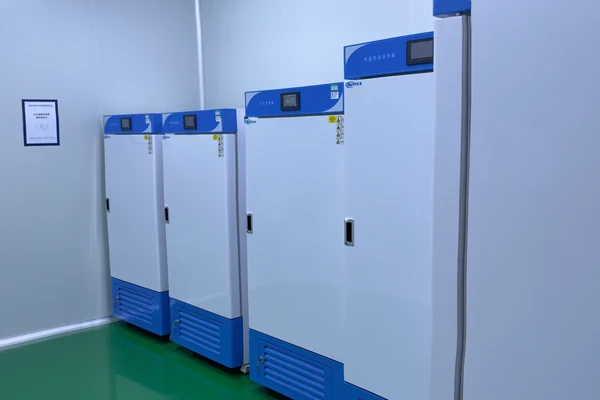
Dongguan Automated Line 4-Gate Gummy Stress Protocol
For applicable Dongguan projects, agree on these stress-test conditions and acceptance criteria before the pilot. Use the final sealed pack for the heat challenge.
4 Technical Locks Before Requesting Sugar-Free Gummy Samples
Do not brief your OEM partner with "sugar-free, good texture." Lock these four parameters up front to eliminate costly re-sampling loops:
Test Maltitol, Fiber & Allulose Bases Side-by-Side in 3 Days
Unsure which sugar-free base fits your target margin and chew profile? Send us your active ingredient list and target bottle cost. Once the active dose, materials and target market are confirmed, our Dongguan team can quote A/B sampling and confirm the production dates.
Frequently Asked Questions
Does switching a gummy from sugar to sugar-free always increase unit cost?
In these examples the sugar-free base costs 15%–45% more before curing and rejects. Compare the ingredients at the same piece weight and active dose, then quote the cost per saleable bottle. Include line time, finished yield and the pack required to protect the gummy.
Can I keep the exact same chew texture when removing sugar?
A maltitol-pectin prototype can come closer to the original chew. Ask for side-by-side samples made at the same size and active dose. Check how each piece springs back, how long it takes to break down, and whether that texture holds after storage in the chosen pack.
Why do some sugar-free gummies cause bloating or laxative effects?
Some polyols can draw water into the gut, and some fibers can ferment. The response depends on ingredient, dose and consumer. Specify the daily piece count and calculate the grams of each carrier at that serving. Review the label and any applicable warnings against the final formula.
How do you prevent sugar-free gummies from sticking together during summer shipping?
Set the water-activity target for the formula and agree on the coating and final pack. When the 50°C / 14-day protocol applies, check for sweating, sticking and shape loss in sealed samples. Agree on acceptable changes and record the observations before the commercial batch.
Does going sugar-free change how much active ingredient a gummy can hold?
Yes. Sugar alcohols and fibers have lower viscosity tolerance for insoluble powders and salts than glucose syrup. If your formula carries a heavy payload (such as 500 mg+ of mineral salts or botanical extracts per piece), we adjust the pectin amidated ratio and buffer system to prevent premature pre-gelation in the depositor hopper.